
Why Does My Back Hurt Even When I Didn’t Injure It?
Back pain doesn’t always begin with a dramatic injury.
Sometimes there is no memorable twist, fall, or moment when everything suddenly went wrong. Instead, your back gradually becomes stiff when you stand up, starts aching after work, or feels increasingly sensitive during activities that used to be comfortable.
That doesn’t mean the pain is imaginary—or that nothing is happening simply because you cannot point to a specific injury.
Often, back pain develops when many smaller stresses accumulate and your body has a harder time comfortably adapting and recovering.
Back pain can build gradually
Your back is constantly responding to how you move through the day.
Sitting at a computer, commuting, carrying a child, lifting at work, exercising, traveling, or repeatedly using one side of your body can all affect how your muscles and joints share the workload.
None of these activities is automatically harmful. The problem is not necessarily that you have “bad posture” or moved the wrong way. Sometimes it is simply that the same areas have been doing more work, with fewer opportunities for recovery.
It may be that you have been sitting more and moving less, sleeping poorly, or carrying more stress than usual. Maybe you recently started exercising again, intensified your routine, or spent a weekend gardening, traveling, or moving furniture. You may be carrying a child—or everything else—on the same side. And if you are worried about aggravating an old injury, that concern can affect how your body moves and responds, too.
No single factor may fully explain why your back hurts. Together, however, they can make your body more tense, fatigued, or sensitive.
Pain does not always point to one damaged structure
We often think of pain as a straightforward message: something in the body is damaged, and the brain receives an alert from that exact spot.
The reality is a little more complicated.
Pain is protective. Signals from muscles, joints, and other tissues matter, but your nervous system also considers the circumstances around them. Fatigue, poor sleep, stress, previous injuries, and concerns about making the pain worse can all influence how strongly your system responds.
This does not mean pain is “all in your head.” Pain is real. It means that the intensity of pain does not always tell us exactly how much tissue damage is present—or identify one structure that needs to be “fixed.”
That is one reason back pain can fluctuate. Your back may feel relatively comfortable one day and much more sensitive the next, even though its physical structure has not suddenly changed overnight.
Why back pain can keep returning
When your back hurts, nearby muscles often tighten to protect the area. This is a normal short-term response.
But sometimes the guarding sticks around. You may brace before standing, avoid bending or rotating, shift your weight away from one side, or stop doing activities you worry will trigger another flare-up.
Over time, those protective habits can become uncomfortable themselves.
Pain leads to guarding. Guarding changes how you move. Certain movements begin to feel less safe, and your body becomes quicker to protect the area again.
That does not mean you should force yourself through pain. It means that recurring back pain may involve more than one irritated spot. Addressing it can also involve helping your muscles release some of that protection, making movement feel safer and more comfortable, and gradually rebuilding confidence in what your body can do.
How acupuncture may fit into back-pain care
Acupuncture takes a whole-person approach to pain.
That doesn’t mean we ignore the place that hurts. It means we also pay attention to everything happening around it.
Pain can feel louder when your nervous system has been under strain, your muscles are constantly bracing, your sleep is off, or stress has left you feeling like you never fully come down from high alert. Sometimes your body is doing its best to protect you—but it gets a little too good at staying on guard.
Acupuncture treatment offers your system an opportunity to settle and take a pause. For some people, that means pain feels less intense. For others, it may mean moving more freely, sleeping more comfortably, or feeling less tense in their body.
At Wise Ways Acupuncture, we look at more than the spot that hurts. We may talk about:
Which movements or positions make things better or worse
Whether the discomfort travels into your hips or legs
Where your body feels tight, tired, or like it is doing extra work
Whether your routine or activity level recently changed
How stress and sleep are affecting you
How pain is getting in the way of work, exercise, caregiving, or everyday life
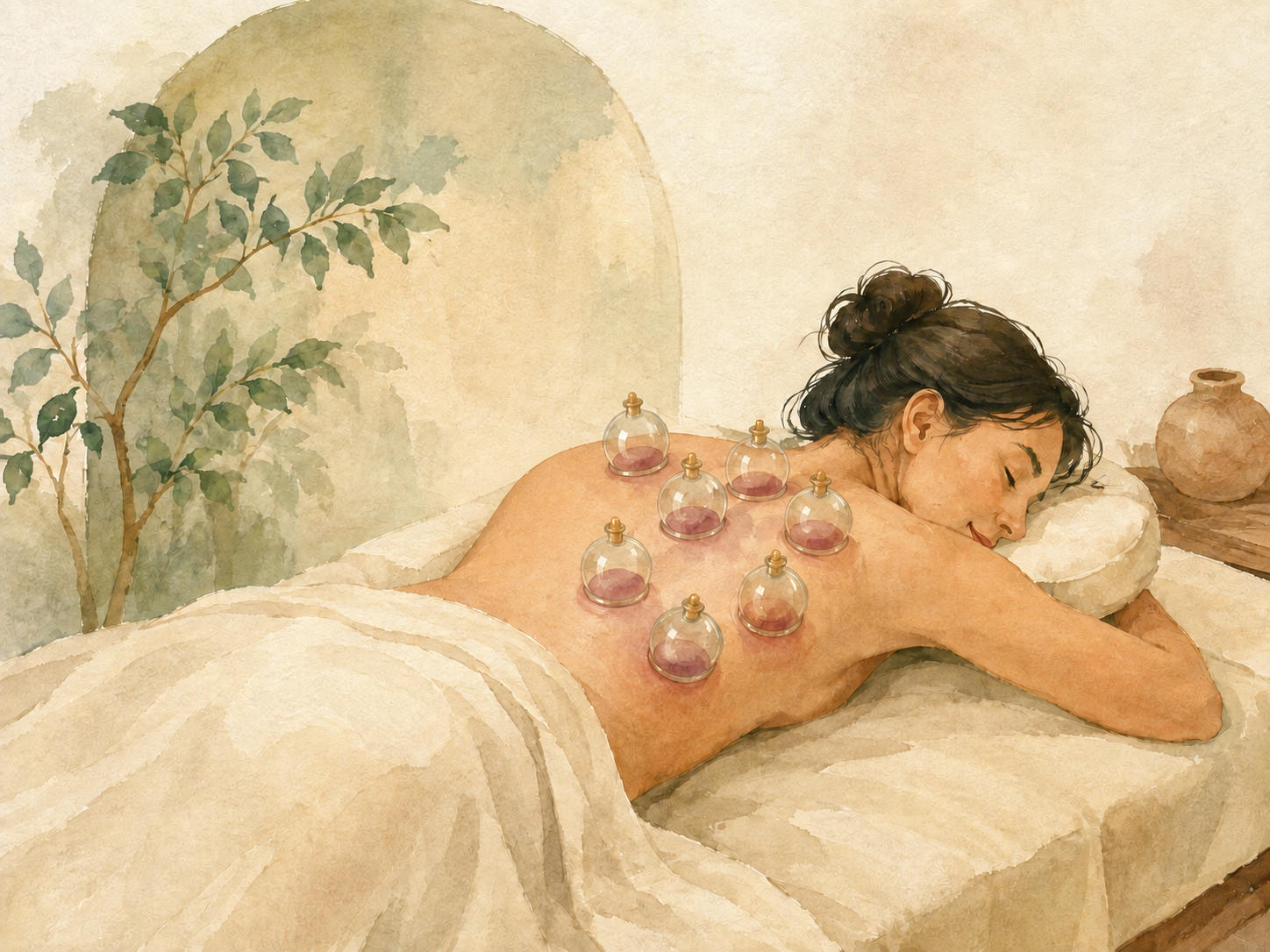
Depending on where you are and what feels comfortable, treatment may include acupuncture, gentle bodywork, cupping, gua sha, heat therapy, or simple movement suggestions you can try at home.
The goal is not to push through pain or pretend that one treatment can fix everything. It is to help ease pain and tension, reduce unnecessary guarding, and make movement feel more comfortable so you can return to more of what pain has interrupted.
You don’t need a dramatic injury for your pain to matter
Pain can gradually change how you sit, sleep, exercise, work, and care for the people around you. Many people quietly begin organizing their lives around it long before they decide to seek help.
You do not have to wait until the pain becomes unbearable to address it.
Wise Ways Acupuncture offers personalized care for low back pain, sciatica, hip and glute tension, chronic tightness, and movement-related pain in Chicago’s Lincoln Park neighborhood.
Learn more about acupuncture for back pain in Chicago, book an initial visit, or schedule a free 15-minute consultation to talk through whether treatment may be a good fit.
